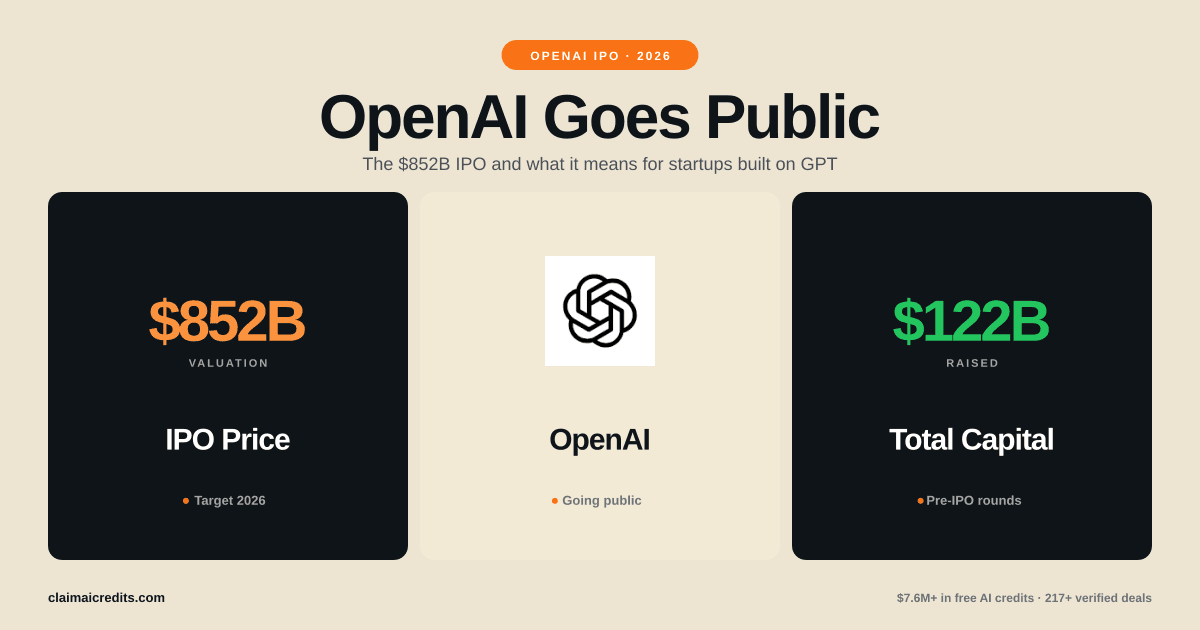
2026년 OpenAI IPO: $852B 기업가치가 API를 사용하는 스타트업에게 의미하는 것
OpenAI는 $852B 기업가치로 $122B를 조달했습니다. IPO 일정이 API 가격, 스타트업 크레딧에 무엇을 의미하는지, 그리고 지금 무료 크레딧을 확보해야 하는 이유.
역사상 최대의 민간 조달이 방금 일어났습니다
OpenAI는 2025년 4월에 1,220억 달러 펀딩 라운드를 마감하며 회사 가치를 8,520억 달러로 평가했습니다. 그 숫자를 맥락에 두자면: 스위스의 GDP보다 큽니다. 이는 OpenAI를 역사상 가장 가치 있는 민간 기업으로 만들며 거의 3배의 차이를 냅니다.
이 라운드는 SoftBank가 주도하고 Microsoft, Thrive Capital, Coatue, 여러 국부 펀드가 참여했습니다. CFO Sarah Friar는 공개적으로 2026년 IPO 일정에 대한 우려를 표명했지만, 시장의 공통된 견해는 OpenAI가 향후 12~18개월 이내에 상장할 것이라는 점입니다.
OpenAI API로 구축 중이라면, 이것은 모든 것을 바꿉니다. 상장 기업은 매출을 성장시켜야 한다는 끊임없는 압박에 직면합니다. 그 압박은 API 가격, 무료 등급 제한, 크레딧 프로그램의 관대함으로 직접 흘러갑니다.
무료 크레딧을 확보할 수 있는 창은 닫히고 있습니다.
지금 영리한 움직임: OpenAI IPO가 업계 전반의 가격 변화를 촉발하기 전에 OpenAI, Anthropic, Google Cloud, AWS에 걸쳐 무료 AI 크레딧을 확보하세요. 오늘 여러 프로그램에 걸쳐 $50,000에서 $250,000+의 크레딧을 쌓을 수 있습니다. IPO 후 이 프로그램들은 거의 확실히 덜 관대해질 것입니다.
$852B 기업가치 내부: 숫자가 실제로 의미하는 것
$852B 기업가치는 단지 큰 숫자가 아닙니다. OpenAI API를 사용하는 모든 스타트업에 직접 영향을 미칠 일련의 기대를 나타냅니다.
매출 vs. 기업가치 격차
OpenAI는 2024년 말까지 연환산 약 34억 달러의 매출을 창출한 것으로 알려졌으며, 빠르게 성장하지만 여전히 엄청난 속도로 현금을 소진하고 있습니다. $852B 기업가치에서 이는 200배가 넘는 주가매출비율을 나타냅니다.
비교하자면:
| 기업 | 기업가치 / 시가총액 | 매출 (연간) | P/R 배수 |
|---|---|---|---|
| OpenAI (민간) | $852B | ~$5B (2025 추정) | ~170x |
| Google (Alphabet) | ~$2.1T | ~$350B | ~6x |
| Microsoft | ~$3.1T | ~$245B | ~13x |
| Anthropic (민간) | ~$61B | ~$1.2B (추정) | ~50x |
| Meta | ~$1.5T | ~$160B | ~9x |
OpenAI의 배수는 확립된 기술 거대 기업보다 10~25배 높습니다. 상장 기업으로서 이 기업가치를 정당화하려면 OpenAI는 매출을 극적으로 성장시켜야 하며 — API 가격은 가장 직접적인 레버 중 하나입니다.
6,000억 달러 인프라 약속
OpenAI는 Stargate Project(SoftBank, Oracle 등과의 $500B 합작 투자) 같은 이니셔티브를 통해 약 6,000억 달러의 AI 인프라 지출을 약속했습니다. 이 지출은 다음을 커버합니다:
- 미국 전역의 대규모 데이터 센터 건설
- 커스텀 AI 칩 개발 및 조달
- 차세대 모델을 위한 학습 인프라
- 증가하는 API 수요에 대응하는 추론 용량
누군가는 그 인프라 비용을 내야 합니다. 지금은 투자자들이 비용을 부담하고 있습니다. IPO 후에는 그 비용이 고객 — 즉 API 사용자 — 에게 전가됩니다.
CFO Sarah Friar의 우려가 신호하는 것
CFO가 공개적으로 IPO 일정에 대한 우려를 표명할 때, 그것은 일반적으로 두 가지 중 하나를 의미합니다: 회사가 아직 상장 시장 투자자를 만족시킬 만큼 충분히 수익성이 없거나, 시장 상황이 불리하다는 것입니다. 어느 쪽이든 신호는 명확합니다 — OpenAI는 상장하기 전에 수익성으로 가는 경로를 찾아야 합니다.
API 기업의 수익성으로 가는 가장 빠른 경로는? 가격을 올리고, 무료 등급을 줄이고, 무료 사용자를 유료 플랜으로 전환하는 것입니다.
IPO 일정: 우리가 아는 것
다음은 OpenAI의 공개 시장으로 가는 경로에 대한 현재 최선의 이해입니다:
| 마일스톤 | 일정 | 상태 |
|---|---|---|
| $122B 펀딩 라운드 | 2025년 4월 | 완료 |
| 영리 구조 전환 | 2025년 | 진행 중 |
| 수익성 목표 경로 | 2025년 말 – 2026년 | 불명확 |
| IPO 신청 (S-1) | 2026년 말 (가장 빠름) | 미신청 |
| 공개 상장 | 2026년 말 – 2027년 초 | 추정 |
영리 전환 요인
OpenAI는 원래 비영리였습니다. 영리 구조로의 진행 중인 전환은 모든 IPO의 전제 조건입니다. 이 구조 조정은 Elon Musk의 법률팀을 포함한 여러 당사자로부터 법적 검토에 직면했습니다. 전환 일정은 IPO 일정에 직접 영향을 줍니다.
시장 상황
기술 IPO는 2022년 이후 부진했습니다. AI 붐이 강렬한 투자자 관심을 만들어냈지만, 높은 금리와 시장 변동성이 OpenAI IPO를 2027년으로 밀어낼 수 있습니다. 시장 상황이 불리하면 회사가 더 오래 비공개로 남기로 선택할 수 있지만, 1,220억 달러 조달은 유동성을 원하는 투자자로부터의 압박을 만들어냅니다.
 ClaimAICredits
가격이 변하기 전에 무료 AI 크레딧 확보하기
OpenAI의 IPO는 업계 전반의 API 가격을 재편할 수 있습니다. 지금 크레딧을 확보하세요 — 우리는 모든 주요 AI 제공업체에 걸쳐 217개 이상의 검증된 크레딧 프로그램을 추적합니다.
모든 크레딧 프로그램 보기
IPO가 API 가격에 미칠 영향
이것은 스타트업에게 가장 중요한 섹션입니다. API 기업이 상장할 때 역사적으로 무슨 일이 일어나는지, 그리고 그것이 OpenAI에게 구체적으로 무엇을 의미하는지입니다.
역사적 선례: 다른 API 기업이 상장했을 때 무슨 일이 일어났나
상장한 모든 주요 API 기업은 결국 가격을 올리거나 무료 등급을 재구성했습니다:
| 기업 | IPO 이전 무료 등급 | IPO 이후 변화 |
|---|---|---|
| Twilio (2016) | 관대한 무료 크레딧 | 점진적 가격 인상, 무료 등급 축소 |
| Snowflake (2020) | $400 무료 체험 | 체험 크레딧 축소, 소비 가격 인상 |
| MongoDB (2017) | 무료 Atlas 등급 | 무료 등급이 더 공격적으로 제한됨 |
| Cloudflare (2019) | 관대한 무료 플랜 | 무료 플랜 유지되었으나 유료 업셀 증가 |
패턴은 일관됩니다: 무료 등급이 축소되고, 가격이 오르고, 주주 주도 매출 목표가 개발자 친화적 가격을 압도합니다.
OpenAI의 현재 가격은 보조될 수 있습니다
OpenAI의 현재 API 가격이 일부 모델에서 원가 이하이며 벤처 캐피털에 의해 보조된다는 강력한 증거가 있습니다. 고려해 보세요:
- GPT-4o는 100만 토큰당 $2.50/$10.00로 실행됩니다 — Anthropic의 비교 가능한 Claude Sonnet 4.5($3.00/$15.00)보다 상당히 저렴합니다
- GPT-4o-mini는 100만 토큰당 $0.15/$0.60로 모든 경쟁사에 공격적으로 가격이 책정되어 있습니다
- OpenAI는 매년 수십억 달러의 현금을 소진하고 있습니다. 원가 또는 그 이하로 모델 가격을 책정하는 것은 시장 점유율 전략이지 지속 가능성 전략이 아닙니다
IPO 후 이 계산은 바뀝니다. 상장 주주는 시장 점유율이 아닌 마진을 요구합니다.
이것이 당신의 API 청구서에 의미하는 것
오늘 OpenAI API 호출에 월 $1,000를 쓰고 있다면, 30-50% 가격 인상이 어떤 모습일지 다음과 같습니다:
| 월 지출 (오늘) | IPO 후 +30% | IPO 후 +50% | 연간 차이 |
|---|---|---|---|
| $500 | $650 | $750 | $1,800 – $3,000 |
| $1,000 | $1,300 | $1,500 | $3,600 – $6,000 |
| $5,000 | $6,500 | $7,500 | $18,000 – $30,000 |
| $10,000 | $13,000 | $15,000 | $36,000 – $60,000 |
30-50% 인상은 추측이 아닙니다. 170배 매출 배수를 가진 기업이 상장 시장 투자자에게 기업가치를 정당화해야 할 때 수학이 요구하는 것입니다.
지금 당장 확보해야 할 크레딧 프로그램
이것이 당신의 실행 계획입니다. 아래 나열된 모든 크레딧 프로그램은 오늘 이용 가능하지만 IPO가 업계 전반의 재가격 책정을 촉발한 후 변할 수 있습니다.
OpenAI 크레딧 프로그램
| 프로그램 | 크레딧 | 자격 대상 | 신청 방법 |
|---|---|---|---|
| OpenAI Free Trial | $5 | 신규 계정을 가진 누구나 | platform.openai.com에서 가입 |
| Microsoft for Startups (Azure OpenAI) | $1,000 – $5,000 | 모든 단계의 스타트업 | Microsoft Founders Hub를 통해 신청 |
| OpenAI Startup Fund | 다양 ($25K–$500K+) | AI 네이티브 스타트업 | 초대 또는 신청 |
| Y Combinator Deal | $500K 크레딧 (조건부) | YC 투자 스타트업 | YC 파트너십을 통해 |
모든 OpenAI 크레딧 보기 | OpenAI용 Azure 크레딧
Anthropic 크레딧 프로그램 (당신의 헤지)
Anthropic은 OpenAI의 가장 가까운 경쟁사입니다. Anthropic 크레딧을 확보하면 OpenAI 가격이 지속 불가능해질 경우 대비책을 갖게 됩니다.
| 프로그램 | 크레딧 | 자격 대상 | 신청 방법 |
|---|---|---|---|
| Anthropic Free Tier | $5 | 누구나 | console.anthropic.com에서 가입 |
| Anthropic Startup Program | $1,000 – $25,000 | 초기 단계 스타트업 | Anthropic 웹사이트에서 신청 |
| AWS Activate (Bedrock/Claude) | $1,000 – $100,000 | 모든 단계의 스타트업 | AWS Activate를 통해 신청 |
| Google Cloud for Startups (Vertex AI) | $2,000 – $100,000 | 모든 단계의 스타트업 | Google for Startups를 통해 신청 |
Anthropic 크레딧 | AWS 크레딧 | Google Cloud 크레딧
Google AI 크레딧 프로그램
Google은 가장 관대한 크레딧 프로그램 일부를 제공하며, 그들의 Gemini 모델은 빠르게 개선되고 있습니다.
| 프로그램 | 크레딧 | 자격 대상 | 신청 방법 |
|---|---|---|---|
| Google AI Studio Free Tier | 무료 (속도 제한) | 누구나 | aistudio.google.com에서 가입 |
| Google Cloud for Startups | $2,000 – $100,000 | 스타트업 | Google for Startups를 통해 신청 |
| Firebase/Google Cloud Trial | $300 | 누구나 | Google Cloud에 가입 |
IPO에 강한 AI 스택 구축하는 법
가장 영리한 스타트업은 모든 것을 한 제공업체에 걸지 않습니다. 다음은 OpenAI IPO에서 무슨 일이 일어나든 당신을 보호하는 멀티 제공업체 전략입니다.
1단계: 제공업체 전반에 다양화
스택에서 최소 두 개의 AI 제공업체를 사용하세요. 이는 단지 가격에 관한 것이 아닙니다 — 가용성, 모델 품질, 협상 레버리지에 관한 것입니다.
| 사용 사례 | 주 제공업체 | 백업 제공업체 | 이유 |
|---|---|---|---|
| 일반 채팅/완성 | OpenAI GPT-4o | Anthropic Claude Sonnet 4.5 | 거의 동일한 품질, 다른 가격 |
| 코드 생성 | Anthropic Claude Opus 4.6 | OpenAI GPT-4o | Claude가 코딩 벤치마크에서 선두 |
| 빠름/저렴 추론 | OpenAI GPT-4o-mini | Google Gemini 2.5 Flash | 둘 다 낮은 비용에 뛰어남 |
| 긴 컨텍스트 | Google Gemini 2.5 Pro | Anthropic Claude (200K) | Gemini가 1M+ 컨텍스트로 선두 |
| 이미지 이해 | OpenAI GPT-4o | Google Gemini 2.5 Pro | 둘 다 강력한 멀티모달 |
2단계: 모든 프로그램에 걸쳐 크레딧 쌓기
다음은 지금 당장 축적할 수 있는 최대치입니다:
| 제공업체 | 쌓을 프로그램 | 총 잠재 금액 |
|---|---|---|
| OpenAI | 무료 체험 + Microsoft for Startups | $5 – $5,005 |
| Anthropic | 무료 등급 + Startup Program + AWS Activate | $1,005 – $125,005 |
| AI Studio 무료 + Cloud for Startups + Cloud trial | $300 – $100,300 | |
| AWS | Activate (Bedrock/Claude + SageMaker 커버) | $1,000 – $100,000 |
| 합산 총합 | 모든 프로그램 쌓기 | $2,310 – $330,310+ |
모든 프로그램을 최대로 활용하면 최대 $330,000의 무료 크레딧입니다. 최대치의 25%만 달성해도 $80,000+의 런웨이를 얻습니다.
3단계: 추상화 계층 구축
OpenAI의 SDK를 애플리케이션에 하드코딩하지 마세요. 설정 변경으로 제공업체 간 전환할 수 있는 라우팅 계층을 사용하세요:
- LiteLLM — 오픈소스, 하나의 인터페이스를 통해 100개 이상의 모델 지원
- OpenRouter — 폴백 지원이 있는 관리형 라우팅
- 커스텀 프록시 — 여러 제공업체에 매핑하는 자체 계층을 통해 요청 라우팅
이를 통해 IPO가 정리된 후 최고의 가격 대비 품질 비율을 제공하는 누구에게든 트래픽을 전환할 수 있습니다.
ClaimAICredits$330K+의 무료 AI 크레딧 확보하기
우리는 OpenAI, Anthropic, Google, AWS 및 50개 이상의 다른 제공업체의 모든 크레딧 프로그램을 매핑했습니다. 단계별 신청 가이드 포함.
크레딧 확보 시작하기OpenAI vs. Anthropic vs. Google: 전체 크레딧 비교
엔지니어링 시간을 어디에 투자할지 결정하고 있다면, 세 주요 AI 제공업체가 가격, 크레딧 프로그램, 모델 품질에 걸쳐 어떻게 비교되는지 다음과 같습니다.
모델 가격 비교 (2026년 4월)
| 모델 | 입력 (100만 토큰당) | 출력 (100만 토큰당) | 적합한 용도 |
|---|---|---|---|
| GPT-4o | $2.50 | $10.00 | 일반 작업, 멀티모달 |
| GPT-4o-mini | $0.15 | $0.60 | 대용량, 비용 민감 |
| Claude Opus 4.6 | $15.00 | $75.00 | 복잡한 추론, 코딩 |
| Claude Sonnet 4.5 | $3.00 | $15.00 | 균형 잡힌 품질/비용 |
| Claude Haiku 4.5 | $0.80 | $4.00 | 빠르고 저렴 |
| Gemini 2.5 Pro | $1.25 – $2.50 | $10.00 | 긴 컨텍스트, 추론 |
| Gemini 2.5 Flash | $0.15 | $0.60 | 속도, 낮은 비용 |
크레딧 프로그램 관대함 (순위)
| 제공업체 | 이용 가능 최대 크레딧 | 신청 용이성 | 프로그램 다양성 |
|---|---|---|---|
| Google Cloud | $100,300+ | 쉬움 – 보통 | 높음 (3+ 프로그램) |
| AWS (Bedrock/Claude) | $100,000+ | 보통 | 보통 (Activate 등급) |
| Anthropic (직접 + 클라우드) | $125,000+ | 보통 | 높음 (5+ 프로그램) |
| OpenAI (직접 + Azure) | $5,005+ (또는 YC 경유 $500K+) | 쉬움 – 어려움 | 보통 |
스타트업을 위한 결론
Anthropic과 Google이 현재 단연 가장 관대한 크레딧 프로그램을 제공합니다. OpenAI의 직접 크레딧 프로그램은 상대적으로 작지만($5 무료 등급), Microsoft for Startups 파트너십이 도움이 됩니다. 크레딧 가용성을 최적화한다면 AWS Activate를 통한 Anthropic이 최대 $100,000로 단일 최대 기회입니다.
OpenAI 크레딧 | Anthropic 크레딧 | Google Cloud 크레딧 | AWS 크레딧
6,000억 달러 인프라 질문
OpenAI의 인프라 지출 약속은 엄청납니다. 다음은 계획된 것과 그것이 API 생태계에 무엇을 의미하는지입니다.
Stargate Project 분석
Stargate Project는 2025년 초 발표된 5,000억 달러 규모의 합작 투자입니다:
- 파트너: OpenAI, SoftBank, Oracle, MGX (아부다비 국부 펀드)
- 목표: 역사상 가장 큰 AI 데이터 센터 네트워크 구축
- 일정: 초기 1,000억 달러 단계가 이미 진행 중
- 위치: 텍사스부터 시작하여 미국 여러 지역
OpenAI의 다른 인프라 약속을 더하면, 총합은 향후 몇 년에 걸쳐 6,000억 달러에 접근합니다.
인프라 지출이 API 가격에 미치는 영향
인프라 지출은 API 가격에 역설을 만들어냅니다:
장기 (3-5년): 더 많은 인프라는 더 많은 용량을 의미하며, 이는 토큰당 비용을 낮춰야 합니다. 커스텀 칩, 효율적인 데이터 센터, 규모의 경제 모두 더 저렴한 추론을 가리킵니다.
단기 (1-2년): 자본 지출은 자금이 마련되어야 합니다. 규모의 경제가 작동하기 전에 OpenAI는 약속을 이행할 만큼 충분한 매출을 창출해야 합니다. 이는 더 낮은 것이 아닌 더 높은 API 가격을 의미합니다.
IPO는 정확히 단기 창에 떨어집니다. 지금 OpenAI API로 구축 중이라면, 규모의 이점을 느끼기 전에 가격 압박을 느낄 것입니다.
영리한 창업자들이 지금 하고 있는 것
우리의 크레딧 가이드를 사용하는 수백 개 스타트업에 걸쳐 우리가 보고 있는 것을 기반으로, 다음은 가장 흔한 다섯 가지 전략입니다:
1. 이용 가능한 모든 크레딧 프로그램 확보하기
가장 잘 자리 잡은 창업자들은 몇 달 전에 모든 크레딧 프로그램에 신청한 사람들입니다. 그들은 3-4개 제공업체에 걸쳐 런웨이를 쌓았고 어느 하나에도 의존하지 않습니다.
실행 항목: 이번 주에 AWS Activate, Google Cloud for Startups, Microsoft for Startups, Anthropic의 스타트업 프로그램에 신청하세요. 신청은 각각 15-30분이 걸립니다. 정당한 스타트업의 승인율은 높습니다.
2. 제공업체 전반 벤치마킹
영리한 팀들은 품질 트레이드오프를 이해하기 위해 핵심 사용 사례를 GPT-4o, Claude Sonnet 4.5, Gemini 2.5 Pro에 대해 실행하고 있습니다. 많은 경우 품질 차이는 미미하지만 가격 차이는 상당합니다.
3. 제공업체 독립적 아키텍처 구축
IPO 가격 폭풍을 가장 잘 견딜 팀은 몇 달이 아닌 몇 분 안에 제공업체를 전환할 수 있는 팀입니다. 추상화 계층(LiteLLM, OpenRouter 또는 커스텀 프록시)은 있으면 좋은 것이 아니라 — 보험입니다.
4. 엔터프라이즈 계약 확보하기
API 호출에 월 $5,000+를 쓰고 있다면 제공업체에 직접 연락하세요. OpenAI와의 IPO 이전 엔터프라이즈 계약은 현재 가격을 1-2년 고정할 수 있습니다. Anthropic과 Google도 시장 점유율을 잡기 위해 경쟁력 있는 요율을 협상하고 있습니다.
5. 오픈소스 모델로 헤지하기
DeepSeek, Llama, Mistral, Qwen은 자체 인프라에서 실행되는 강력한 오픈소스 대안을 제공합니다. 대용량, 비용 민감 워크로드의 경우 자체 호스팅 모델은 API 가격 위험을 완전히 제거합니다.
타임라인: 주목해야 할 주요 날짜
다음은 IPO가 순조롭게 진행되는지와 그것이 가격에 무엇을 의미하는지 신호할 마일스톤입니다:
| 날짜 | 이벤트 | 주목할 점 |
|---|---|---|
| 2026년 2분기 | OpenAI 영리 전환 마감일 | 전환이 완료되는가? 법적 문제가 해결되는가? |
| 2026년 3분기 | 예상 S-1 신청 창 | 신청은 상장까지 3-6개월을 신호. 매출 공개 주목 |
| 2026년 3-4분기 | 잠재적 가격 변화 | IPO 이전 매출 추진에 API 가격 인상 포함 가능 |
| 2026년 4분기 – 2027년 1분기 | 예상 상장 창 | 실제 IPO 날짜는 시장 상황에 따라 |
| IPO 후 1-2분기 | 무료 등급 재구성 | 체험 크레딧 및 속도 제한 변화 주목 |
이 각 마일스톤은 크레딧 비축량을 확인하고 멀티 제공업체 전략을 조정하라는 신호입니다.
결론: IPO 후가 아닌 지금 행동하세요
OpenAI IPO는 단지 금융 이벤트가 아닙니다 — AI API가 어떻게 가격이 책정되고 배포될지의 구조적 전환입니다. 기술 역사상 모든 주요 API 가격 변화는 동일한 패턴을 따랐습니다: 관대한 IPO 이전 조건, 그 다음 상장 주주가 성장을 요구하면 점진적 긴축.
다음은 당신의 체크리스트입니다:
- 이번 주: 자격이 되는 모든 크레딧 프로그램에 신청 (OpenAI, Anthropic, AWS, Google Cloud, Microsoft)
- 이번 달: 최소 두 제공업체에 걸쳐 워크로드 벤치마킹
- 이번 분기: 제공업체 추상화 계층 구축 또는 채택
- IPO 전: 지출이 정당화되면 엔터프라이즈 계약 확보
- 지속적으로: 가격 변화 모니터링 및 최고 가치로 트래픽 전환
지금 행동하는 창업자들은 경쟁자들이 가격 인상을 흡수하느라 허둥대는 동안 무료 크레딧으로 6-18개월의 런웨이를 갖게 됩니다. 그것은 작은 이점이 아닙니다 — IPO 이후 AI 환경에서 생존과 번영의 차이입니다.
OpenAI 크레딧 확보 | Anthropic 크레딧 확보 | Google Cloud 크레딧 확보 | AWS 크레딧 확보
Frequently Asked Questions
OpenAI는 2026년 IPO 시점을 목표로 했지만, CFO Sarah Friar는 공개적으로 일정에 대한 우려를 표명했습니다. 대부분의 분석가들은 시장 상황과 회사의 수익성 경로에 따라 2026년 말 또는 2027년 초에 IPO가 있을 것으로 예상합니다.
OpenAI의 최신 기업가치는 8,520억 달러로, 역사상 최대 규모의 민간 조달인 1,220억 달러 펀딩 라운드에서 결정되었습니다. 이는 대부분 국가의 GDP를 넘어서며 OpenAI를 역사상 가장 가치 있는 민간 기업으로 만듭니다.
역사적으로 기업들은 상장 후 매출 성장에 대한 주주 기대를 충족시키기 위해 가격을 올리거나 무료 등급을 축소합니다. OpenAI의 현재 가격은 벤처 캐피털에 의해 보조될 수 있으며, 이는 IPO 이후 가격이 크게 오를 수 있음을 의미합니다.
OpenAI는 신규 계정에 $5의 무료 체험 크레딧을 제공합니다. Microsoft for Startups(Azure OpenAI Service용 $1,000–$5,000의 Azure 크레딧)와 AWS Activate(Bedrock 호스팅 모델용) 같은 클라우드 제공업체 프로그램을 통해서도 OpenAI 액세스를 얻을 수 있습니다.
OpenAI는 Stargate Project 같은 파트너십을 통해 AI 인프라에 6,000억 달러를 지출할 계획입니다. 이 대규모 구축은 결국 규모를 통해 토큰당 비용을 줄여야 하지만, 단기적 효과는 투자 자금을 마련하기 위한 더 높은 가격일 수 있습니다.
제공업체를 다양화하는 것은 IPO와 관계없이 영리한 전략입니다. 스타트업 프로그램이 관대한 지금 Anthropic, Google Cloud, AWS의 크레딧을 확보하세요. 멀티 제공업체 아키텍처는 벤더 종속 위험도 줄입니다.
OpenAI는 여러 라운드에 걸쳐 총 1,750억 달러 이상의 펀딩을 조달했습니다. 2025년 4월 라운드만으로 1,220억 달러였습니다 — 많은 기술 기업이 전체 역사에서 조달하는 것보다 많습니다. 주요 투자자로는 SoftBank, Microsoft, Thrive Capital, 다양한 국부 펀드가 있습니다.
무료 체험 크레딧은 IPO 이후 축소되거나 더 많은 제한이 따를 수 있습니다. 상장 기업은 매출 성장을 보여줘야 한다는 압박에 직면하며, 무료 등급은 종종 가장 먼저 삭감되는 비용입니다. 지금 스타트업 프로그램을 통해 크레딧을 확보하면 더 긴 런웨이를 얻습니다.
Stargate Project는 2025년 초 발표된 5,000억 달러 규모의 AI 인프라 이니셔티브로, OpenAI, SoftBank, Oracle 등이 후원합니다. 미국 전역에 대규모 데이터 센터를 구축하는 것을 목표로 합니다. 이 지출은 OpenAI의 더 넓은 6,000억 달러 인프라 계획의 일부입니다.
 ClaimAICredits
AI 도구에 쓰는 스타트업 예산을 아끼세요
ClaimAICredits는 AI 도구, 클라우드 서비스, API에 대한 독점 크레딧, 할인, 거래를 큐레이션해 스타트업이 비용을 절감하도록 돕습니다.
- $7.6M+ 가치의 검증된 크레딧 217+개
- 단계별 신청 가이드
- 24시간 내 응답의 우선 지원
관련 글
Anthropic vs OpenAI 2026: 스타트업은 어느 AI 회사를 선택해야 할까?
2026년 스타트업을 위한 Anthropic과 OpenAI의 심층 비교. 모델, 가격, 크레딧 프로그램, API 기능, 엔터프라이즈 도구, 그리고 둘 다 활용하는 똑똑한 전략.
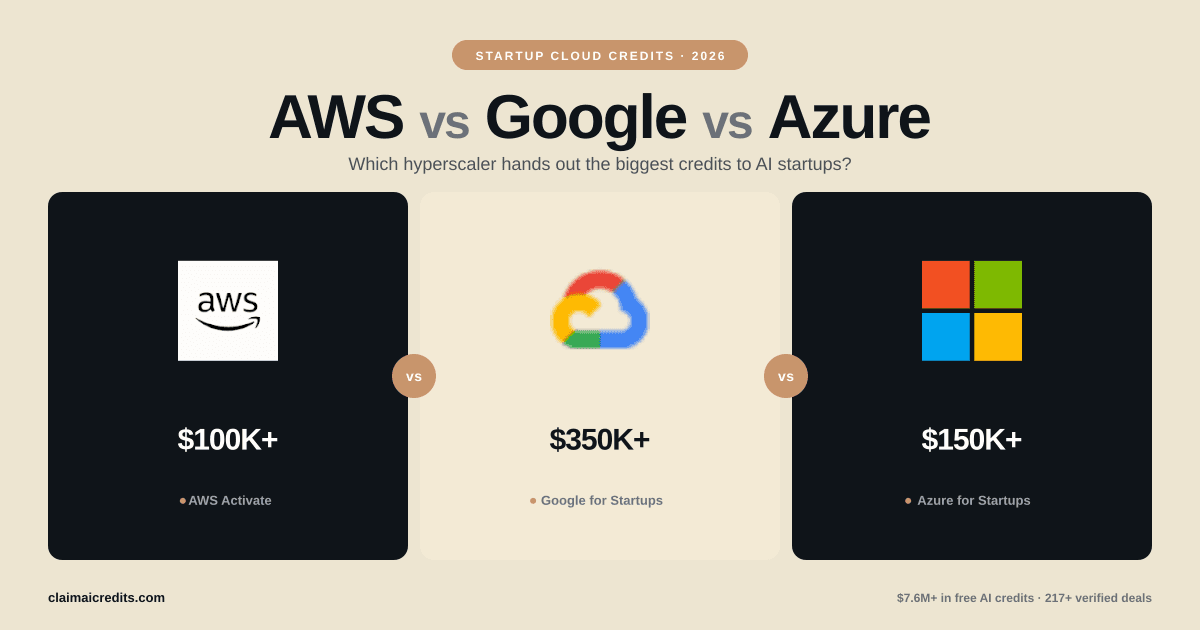
2026년 AI 스타트업을 위한 무료 클라우드 크레딧: Google, AWS, Microsoft 등에서 $1M+ 받기
2026년 AI 스타트업을 위한 모든 클라우드 크레딧 프로그램. Google에서 $350K, AWS에서 $300K, Microsoft에서 $150K를 받고, 프로그램을 쌓아 총 $1M 이상의 크레딧을 확보하세요.
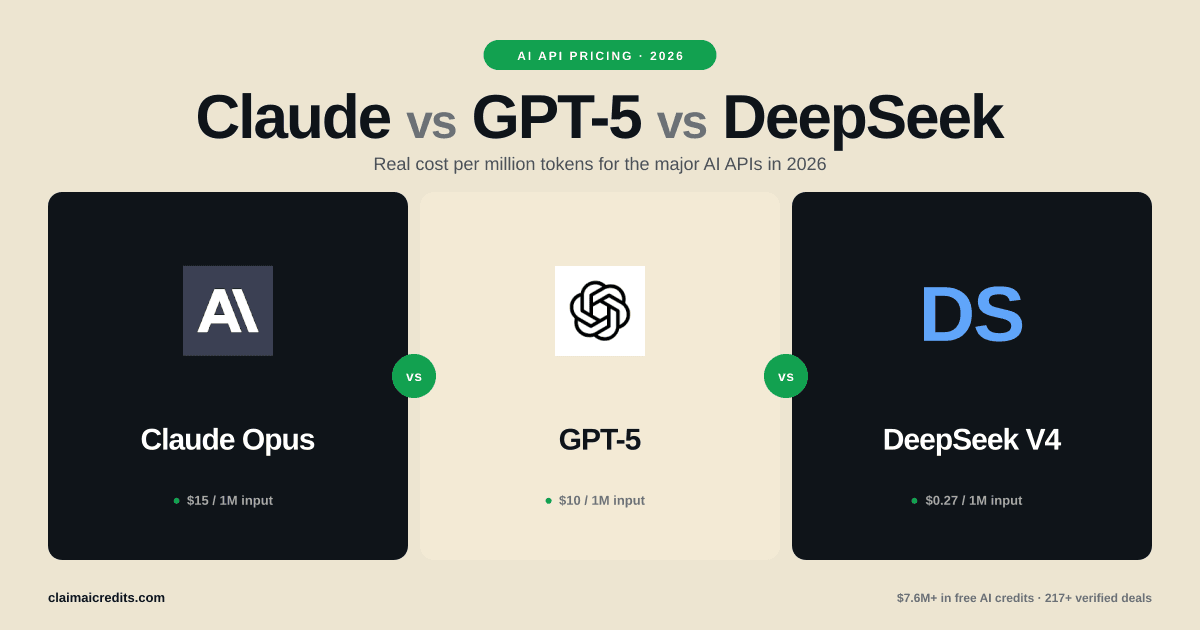
AI API 가격 비교 2026: DeepSeek vs Claude vs GPT-5 vs Gemini (실제 비용)
2026년 AI API 가격 완벽 비교. DeepSeek V4, Claude Opus/Sonnet/Haiku, GPT-5/GPT-4.1, Gemini 2.5, Mistral, Groq의 토큰당 비용. 월별 비용 예측과 무료 크레딧 소스 안내.